

 Massachusetts Health & Hospital Association
MONDAY REPORT
A Look Ahead to 2026
As 2025 winds down, here’s just a few things MHA and the local healthcare community are preparing for in 2026.
The Massachusetts House in November unanimously passed legislation to curb violence against healthcare workers. Variations of An Act Requiring Healthcare Employers to Develop and Implement Programs to Prevent Workplace Violence (H.4767/S.1718) had been in the works for more than decade, but the version that passed gained traction when MHA came together with the Massachusetts Nurses Association (MNA) and 1199SEIU to reach consensus on the issue. The hope now is that the Senate will take it up early in 2026 and get it to the governor’s desk quickly.
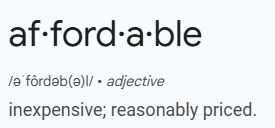
Merriam-Webster chose “slop” (low-quality AI content) as the 2025 word of the year. In 2026, the healthcare word of the year most likely will be “affordable,” as in, “We have to make the system more affordable.” Health insurance companies hemorrhaged cash in 2025 and hospitals continued their trend of negative or miniscule operating margins – all while premiums continued to rise. Unaffordable leads to unsustainable leads to … no one knows. Bringing everyone to the proverbial table to tackle the affordability issue could be the thing in 2026, and it’s already squarely on the radar of the Healey-Driscoll administration and legislative leaders.
Speaking of affordability, about 300,000 people in Massachusetts and millions more nationwide will see their premiums spike up beginning next week because Congress, on strictly party lines, failed to pass an extension of enhanced premium tax credits. As this year ended, four Republicans broke from party leadership to announce they would join House Democrats to form a majority bloc to pass a tax credit extension in January. The Republican-majority Senate would then have to concur and the prospects for that happening are uncertain.
Meetings, hearings, and listening sessions are on the calendar for January and February, most notably at the Division of Insurance, which is holding information sessions (see dates and times here) on provider directories, pharmaceutical co-pays, behavioral health coverage, claims payments, managed care processes, and more. At these sessions, provider and others facing tight finances will air their concerns directly to DOI about the regulations and processes of commercial health plans, which are facing their own financial difficulties (see “affordable” above). DOI will also hold a public hearing on the licensing and regulation of Pharmacy Benefit Managers on January 8.
In 2026, the pharmaceutical industry is expected to keep up its persistent and well-funded attack against providers on the 340B issue. The federal 340B law requires drug manufacturers to provide significant discounts on outpatient prescription drugs to eligible safety net healthcare providers, who serve many low-income and uninsured patients. The drug companies say, “Providers are abusing the program.” Hospitals and health centers say, “No we’re not; 340B is an essential benefit that keeps us afloat and the ongoing attacks from the Rx industry is a profit-driven strategy that affects mainly poorer communities.” Expect state and federal legislation and continued lawsuits on the issue.

MHA devoted more time to the Health Safety Net in 2025 than to probably any other issue. The safety net fund runs persistent and deep deficits, approaching $300 million a year, and all of that is covered solely – and improbably – by hospitals. This year, MHA and state leaders led the effort to have hospitals tax themselves higher, which will likely result in them receiving more matching funds from the federal government. The legislature and administration also stepped up with hundreds of millions of safety net relief for both FY25 and FY26. But no one thinks the current Health Safety Net system is sustainable, so expect serious discussions on the issue in 2026.
That’s just a few topics for 2026. It doesn’t include the rise of AI in healthcare, the persistent attacks on gender-affirming care and equality initiatives, attempts to build the healthcare workforce, concern about vaccine skepticism and the long-term effects that will have on public health, the imperative to build the primary care system, and the overall fact that hospitals will inevitably see more people in their EDs with less resources to care for them.
But amid the turbulence, let’s not forget that Commonwealth Fund in 2025 ranked Massachusetts Number 1 in health system performance. The healthcare sector of the economy employs a large bloc of people in rewarding, high-paying jobs. It spurs other economic sectors such as construction, the life sciences, and education, plus it improves the health and quality of life of everyone. The sector’s innovation will most likely lead to changes in care delivery in 2026 and beyond – and that change is a must given policy upheaval, a fast-changing and aging patient population, and the need for more affordable care.
And as many of the people who will be solving these problems testified at the recent Health Policy Commission cost trends hearing, “I’d rather be in Massachusetts doing this than anywhere else.”